


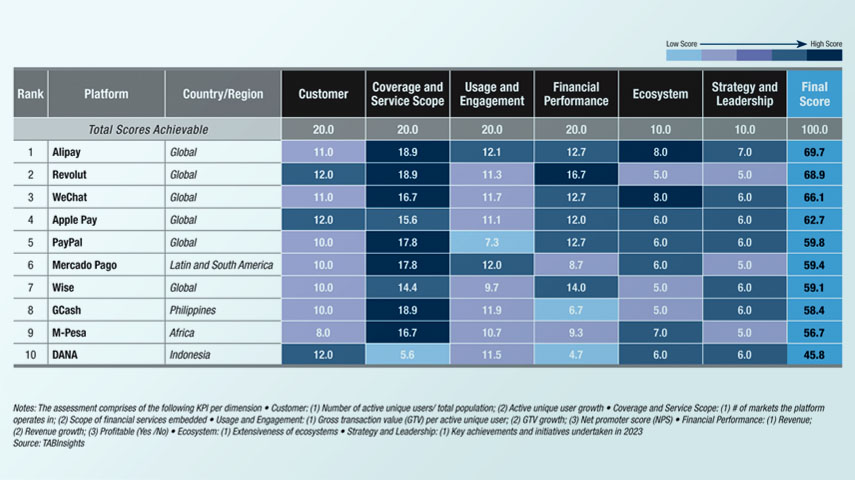
Asia is leading in financial platform development and adoption, with Alipay building a vast ecosystem and global reach, while Revolut excels in user acquisition and financial performance.
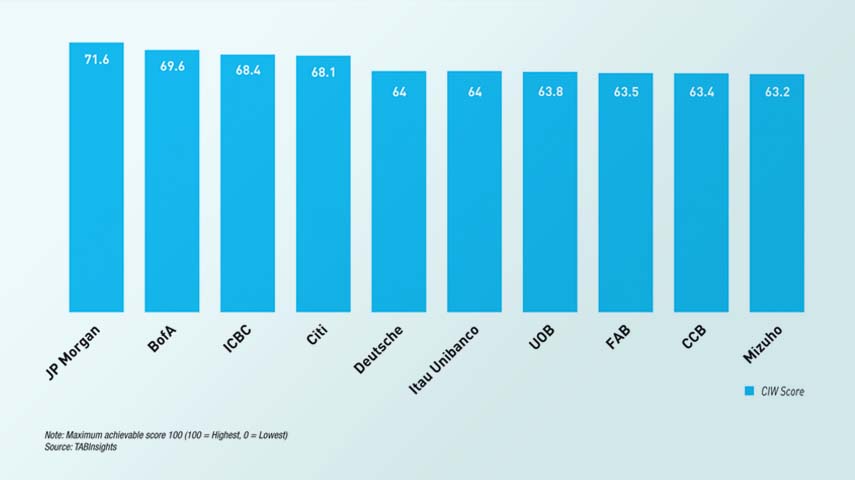
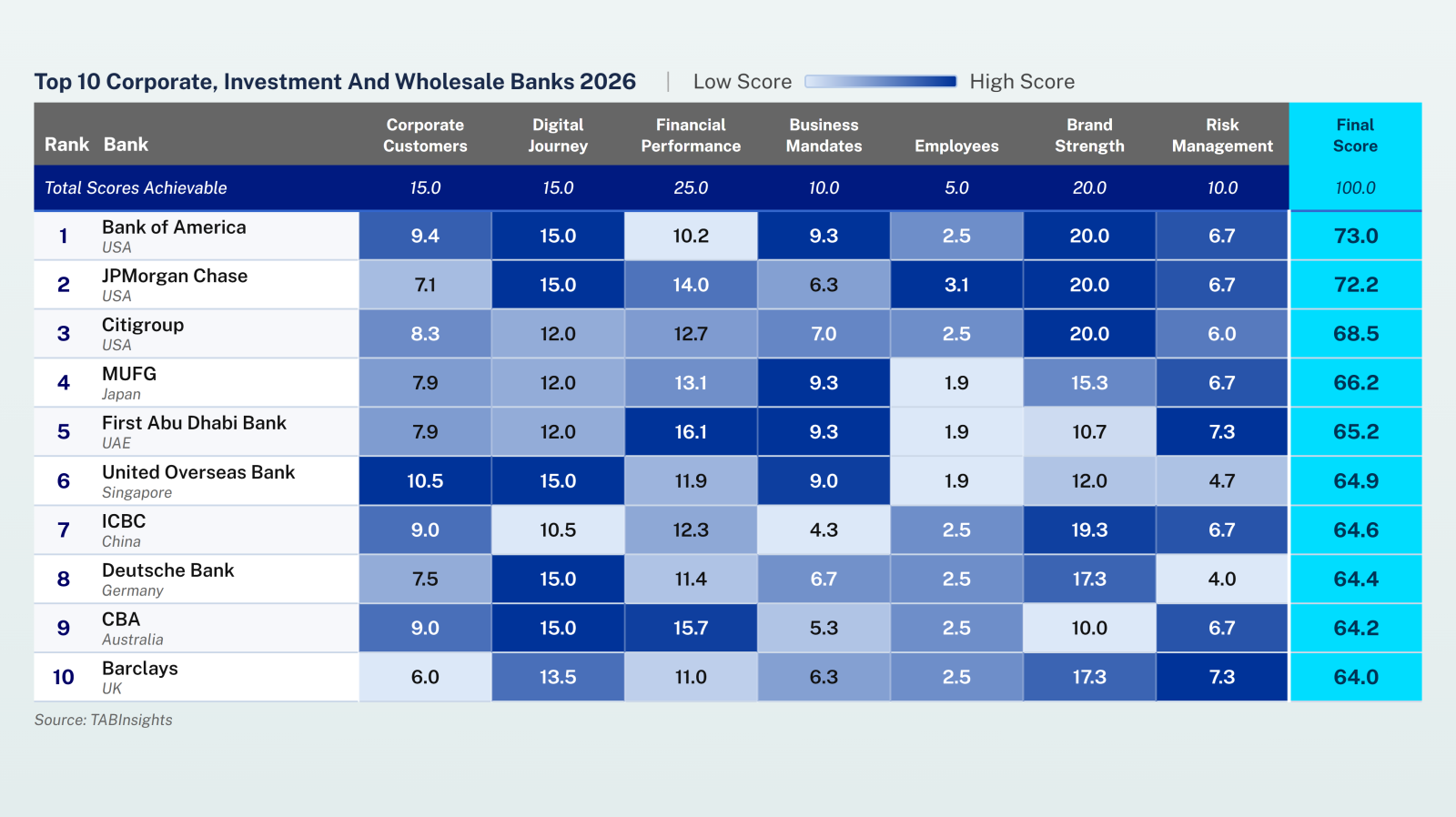
The TAB Global World’s 100 Best CIW Banks Ranking 2025 shows that leadership is shaped less by profitability and more by strategic focus. Global giants dominate through assets and reach, while regional champions prove that efficiency and digital capability can rival size in defining success

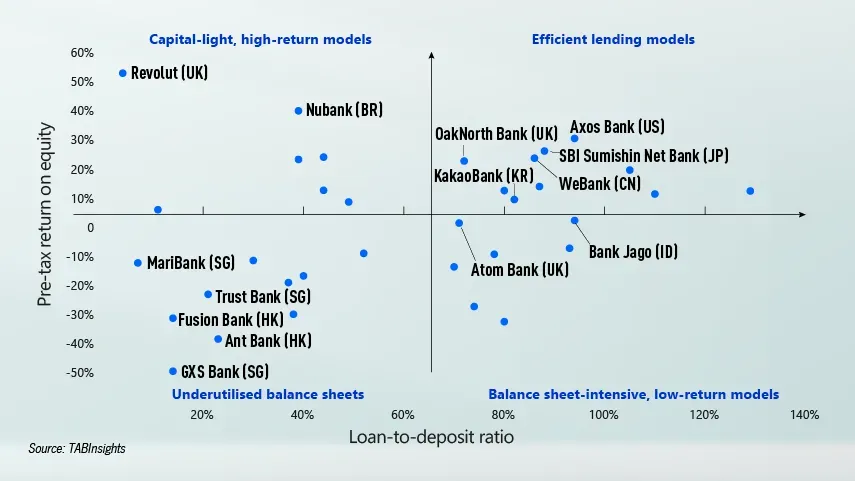
Top digital banks achieve profitability either through disciplined lending execution or by monetising customer ecosystems, not simply by scaling loan growth.
Global CIW banking has entered an execution phase, where rank movement is driven by improvement across multiple dimensions, while the efficiency gap between Middle Eastern and Western institutions widens
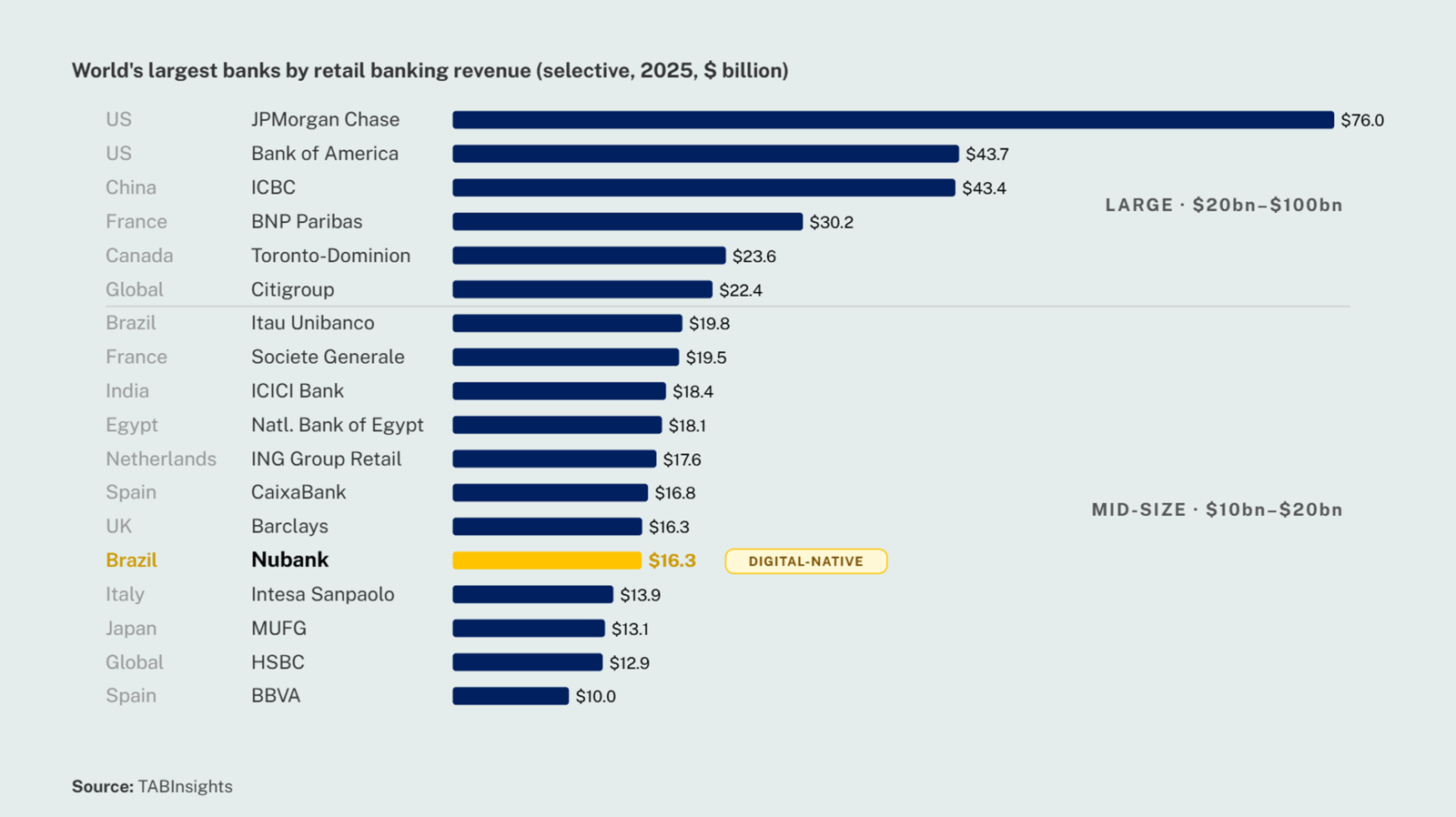
A decade ago, Nubank was a credit card start-up operating out of São Paulo. Today, at $16.3 billion in retail banking revenue (2025), it has surpassed HSBC and Standard Chartered’s global retail banking businesses and is on track to overtake Itaú Unibanco in Brazil in 2026 and Citigroup by 2027. What is emerging is not just rapid growth, but the early stages of a long-term strategy to build a global retail banking franchise.
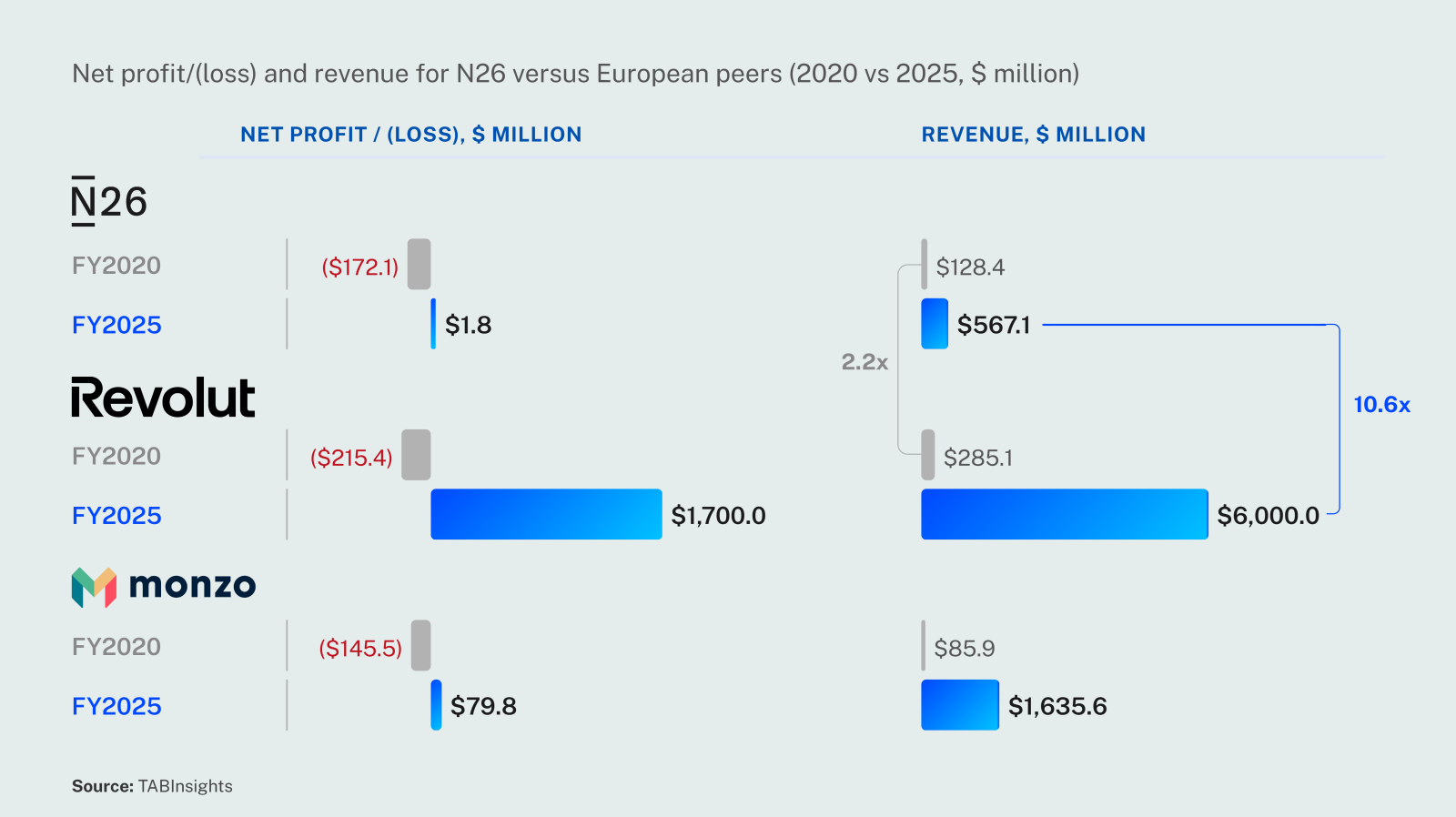
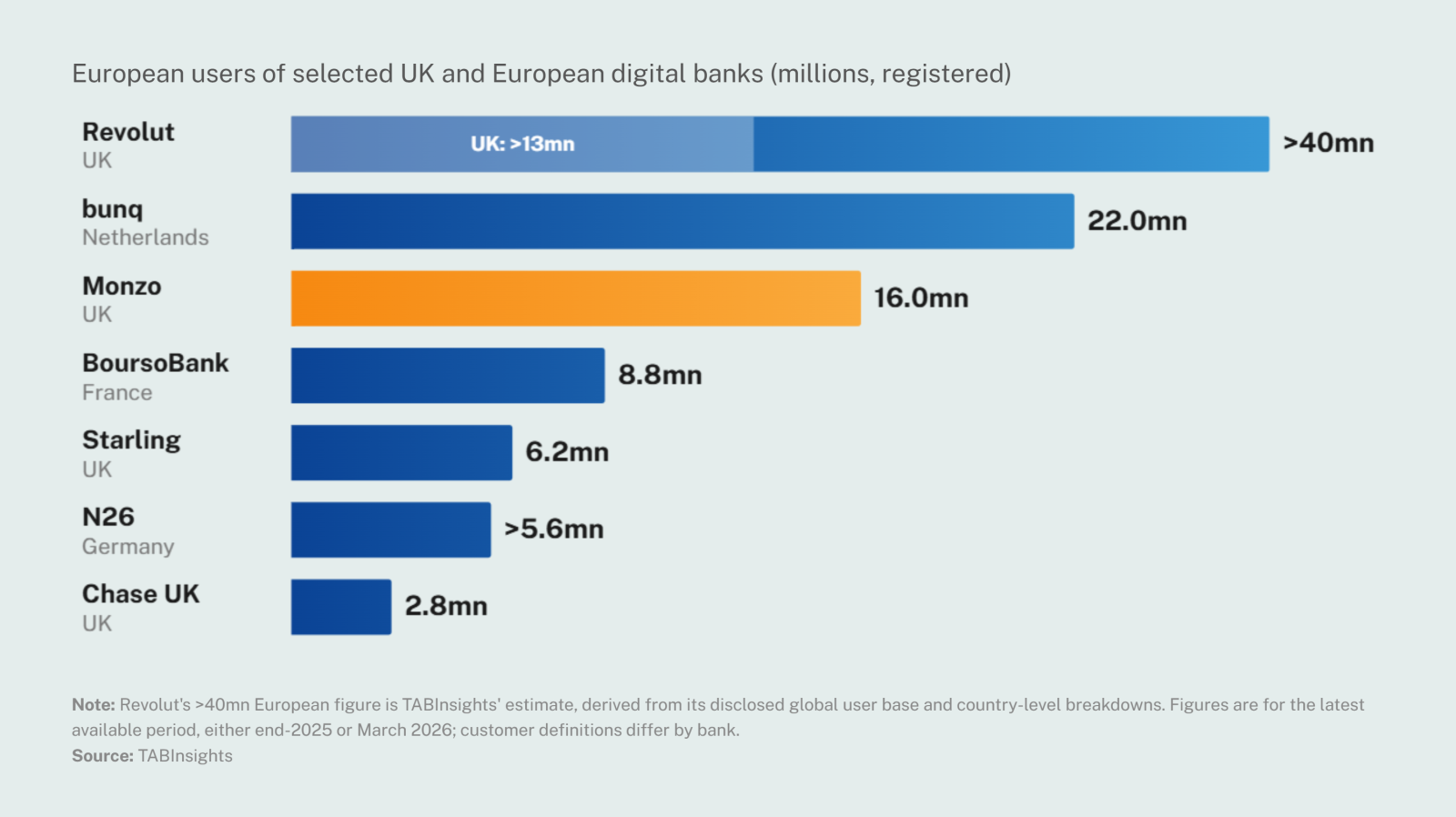
N26 delivered its first full-year net profit in 2025, but a decade of prioritising growth over bank-grade controls left the German fintech trailing European rivals, prompting a sweeping leadership overhaul.
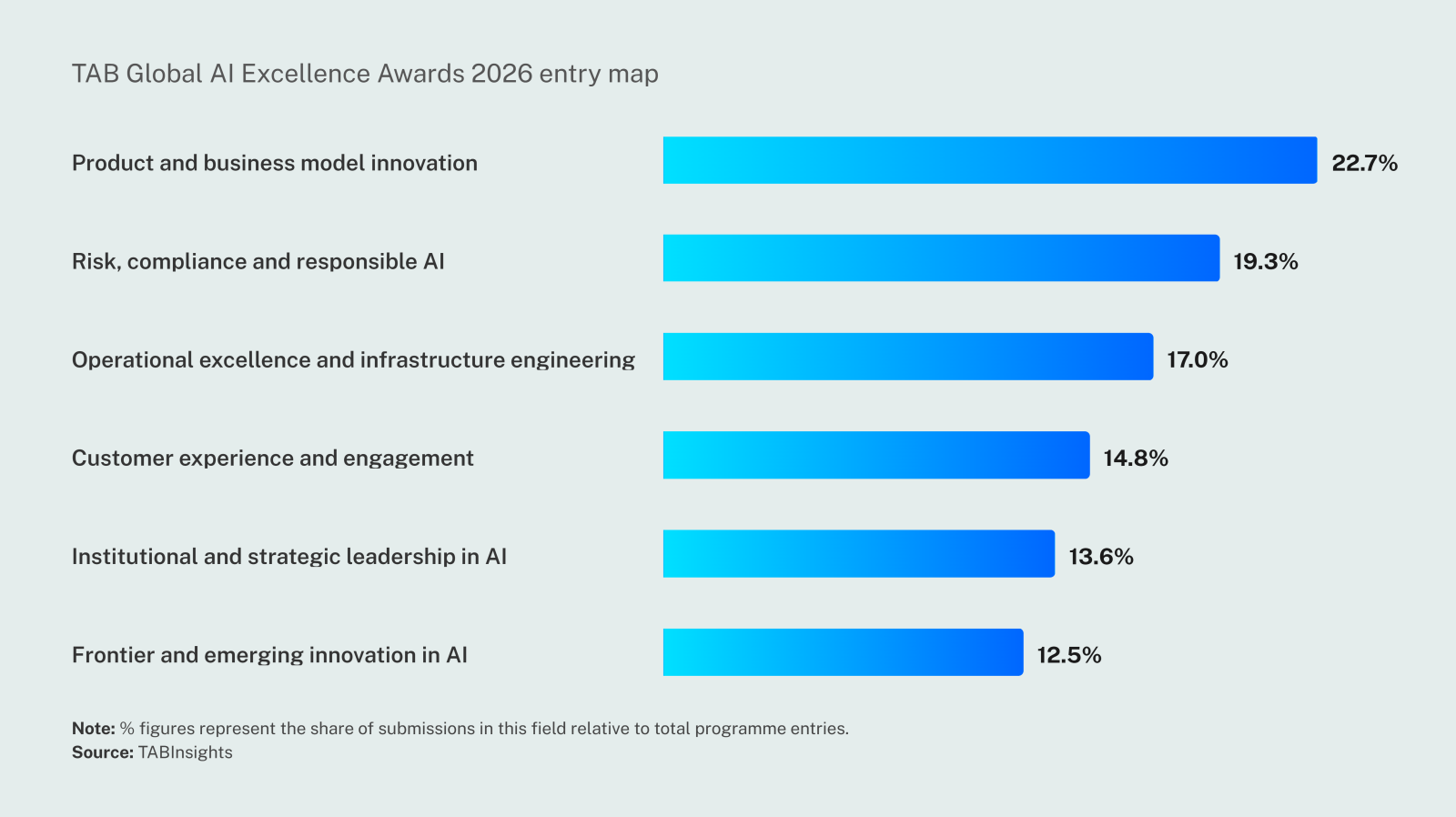
Most large banks have adopted AI, but few have rebuilt around it. Governance, architecture and strategic priorities will determine who scales AI successfully.
Nu Holdings reportedly explored an acquisition of Monzo that would have given the Latin American digital bank a profitable UK franchise and a regulatory platform for expansion across Europe. Nubank later said it was not pursuing a transaction.
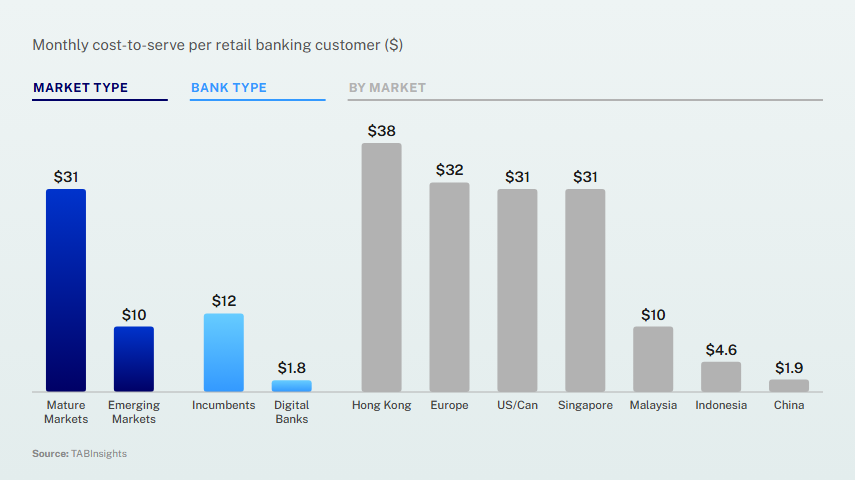
Digital banks serve customers far more cheaply than incumbents, but most generate less revenue for every dollar spent on servicing. Nubank and WeBank stand out, generating 4.1x and 3.8x their servicing cost in revenue respectively, outperforming leading incumbents. Most other digital banks fall short of incumbent benchmarks, showing that lower cost-to-serve alone does not guarantee stronger economics.