


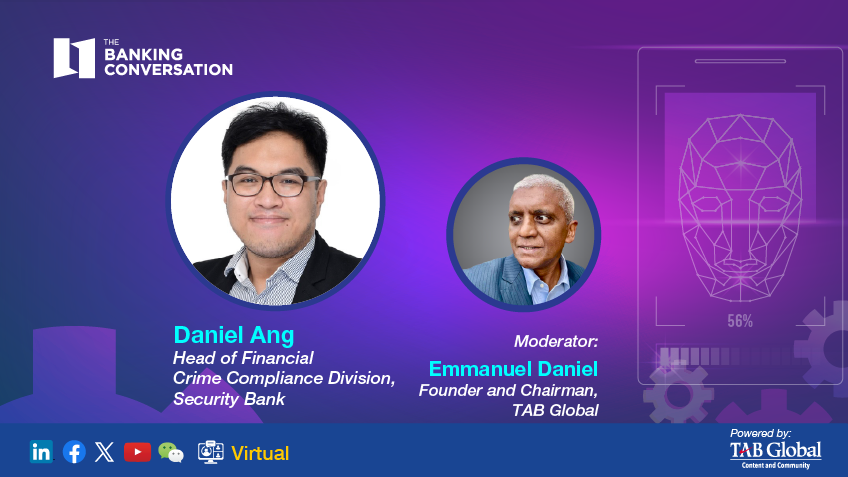

The Banking Conversation session on Real-time defence against deepfakes and synthetic identities is happening this Thursday, 24 September 2026.
As AI-enabled impersonation and synthetic identity attacks become more sophisticated, banks are reassessing how they detect and respond to identity risks across the customer journey.
Traditional controls built around point-in-time verification are increasingly being tested by attacks that can evolve across onboarding, authentication, account servicing and payments.
The session will examine how banks are moving towards continuous identity defence, including:
- Where AI-enabled identity fraud is creating the greatest risks for financial institutions
- Which real-time monitoring and intervention approaches are proving effective
- How banks are balancing fraud prevention with customer experience and operational efficiency
The discussion will feature Daniel Ang, Head of Financial Crime Compliance Division, Security Bank, and explore the practical requirements for responding to AI-generated risk signals in real time.
24 September 2026
4:00 PM Beijing/Singapore | 3:00 PM Jakarta | 12:00 PM Dubai | 8:00 AM London
Agenda (SGT)
- 4:00 - 4:10 PM: Introduction to "Real-time defence against synthetic identities and AI-enabled impersonation"
- 4:10 PM - 4:40 PM: Panel discussion with panellist
- 4:40 PM - 5:00 PM: Q&A
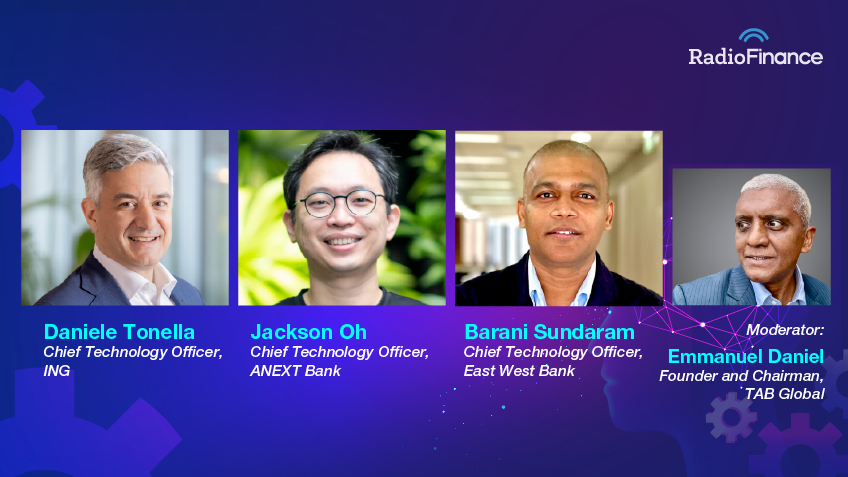
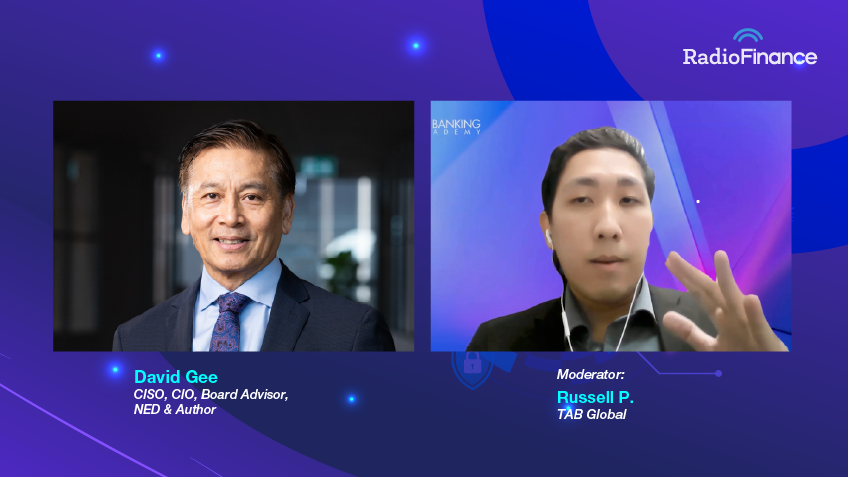
Panelists include:



Banner.png)

.png)






 Google
  LinkedIn